Aligning Cybersecurity Policies with Physical Destruction for Complete Data Protection
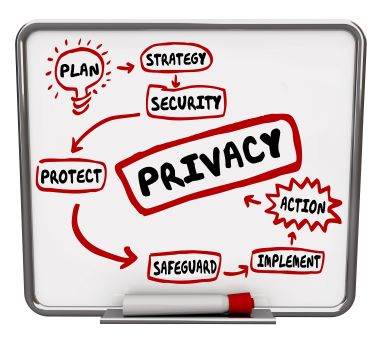 Data breaches continue to dominate headlines, costing organizations millions in damages and reputational harm. While most companies invest heavily in digital security measures, many overlook a critical vulnerability: physical data destruction. A comprehensive data protection strategy requires alignment between your cybersecurity policies and physical destruction protocols.
We’ve observed countless organizations that maintain robust firewalls and encryption standards yet leave sensitive documents and hardware exposed to physical compromise. This gap creates unnecessary risk.
Understanding the Physical Security Gap
Your cybersecurity team works tirelessly to protect data flowing through networks and stored on servers. However, sensitive information exists in multiple formats throughout your organization. Paper records, obsolete hard drives, and decommissioned equipment all contain data that requires secure destruction.
The disconnect between digital and physical security policies creates exploitable weaknesses. Attackers increasingly target physical access points because they’re often less protected than digital systems.
Where Digital and Physical Security Intersect
Consider the lifecycle of sensitive data within your organization. Information begins digitally but frequently transitions to physical formats through printing, backup drives, or archived storage. Without coordinated destruction policies, this transition becomes a vulnerability.
Our experience manufacturing industrial shredding equipment has shown us that organizations with integrated security protocols significantly reduce breach risks. These companies treat physical destruction with the same rigor as their network security measures.
Building an Integrated Protection Framework
Effective data protection requires harmonizing your cybersecurity policies with physical destruction procedures. This integration ensures consistent security standards across all data formats and storage mediums.
Start by conducting a comprehensive audit of data handling processes. Document every point where digital information becomes physical, from printed reports to retired server equipment. Each transition point requires specific destruction protocols.
Establishing Clear Chain of Custody
Your cybersecurity policy likely includes detailed access controls and audit trails for digital data. Apply these same principles to physical materials containing sensitive information.
We recommend implementing tracking systems that follow documents and hardware from creation through final destruction. This accountability ensures nothing falls through the cracks. Proper equipment safety protocols complement these procedures by protecting personnel during destruction operations.
Compliance Considerations
Regulatory frameworks increasingly recognize that data protection extends beyond cybersecurity. GDPR, HIPAA, and other compliance standards mandate secure destruction of physical media containing personal information.
Organizations face penalties for inadequate physical destruction practices just as they do for digital breaches. Your policies must address both domains comprehensively.
Documentation proves critical during audits. Maintain detailed records of destruction activities, including dates, methods, and responsible personnel. Specialized equipment for hard drives and SSDs ensures compliance with stringent data sanitization requirements.
Selecting Appropriate Destruction Methods
Different data types require specific destruction approaches. Paper documents need cross-cut shredding to prevent reconstruction. Hard drives and electronic media demand more aggressive methods that render data completely unrecoverable.
Partner with experts who understand these requirements. Allegheny Shredders has manufactured American-made destruction equipment for over 50 years, helping organizations implement effective physical security measures.
Your policy should specify destruction levels based on data sensitivity. Highly confidential information warrants particle-level destruction, while routine documents may require less intensive methods.
Training and Culture
Even perfect policies fail without proper training and organizational buy-in. Employees must understand their role in maintaining both digital and physical security.
Regular training sessions should cover proper handling of sensitive materials, recognition of security risks, and correct use of destruction equipment. Comprehensive training resources ensure personnel operate equipment safely and effectively.
Create a security-conscious culture where physical and digital protection receive equal attention. This mindset shift transforms security from a checkbox exercise into embedded organizational practice.
Frequently Asked Questions
Why is physical destruction necessary when we have strong cybersecurity?
Cybersecurity protects digital data, but sensitive information also exists on paper and physical devices. Without proper destruction of these materials, attackers can bypass your digital defenses entirely. A complete protection strategy addresses both digital and physical vulnerabilities to eliminate all potential breach points.
How often should we update our data destruction policies?
Review your policies annually at minimum, and immediately following regulatory changes or security incidents. Technology evolves rapidly, and your destruction methods must keep pace with new storage mediums and compliance requirements. Regular audits ensure your policies remain effective and aligned with current threats.
What level of shredding meets compliance requirements?
Requirements vary by regulation and data sensitivity. Most compliance frameworks mandate cross-cut shredding at minimum for paper, while electronic media typically requires physical destruction that renders data unrecoverable. Consult specific regulations governing your industry, and when in doubt, choose more secure destruction methods.
Should we handle destruction in-house or use a service?
In-house destruction provides maximum control and eliminates third-party risks. Organizations handling large volumes or highly sensitive data often find dedicated equipment more cost-effective and secure than external services. However, smaller operations may benefit from certified destruction services with proper chain-of-custody documentation.
Call us at (724) 468-4300 or complete the form on this page for service today!
Contact Us
"*" indicates required fields
-
Popular Posts
-

Helpful Resources